5 Warning Signs Your Tree Is Dying (And What to Do Next)
This is paragraph text. Click it or hit the Manage Text button to change the font, color, size, format, and more. To set up site-wide paragraph and title styles, go to Site Theme.
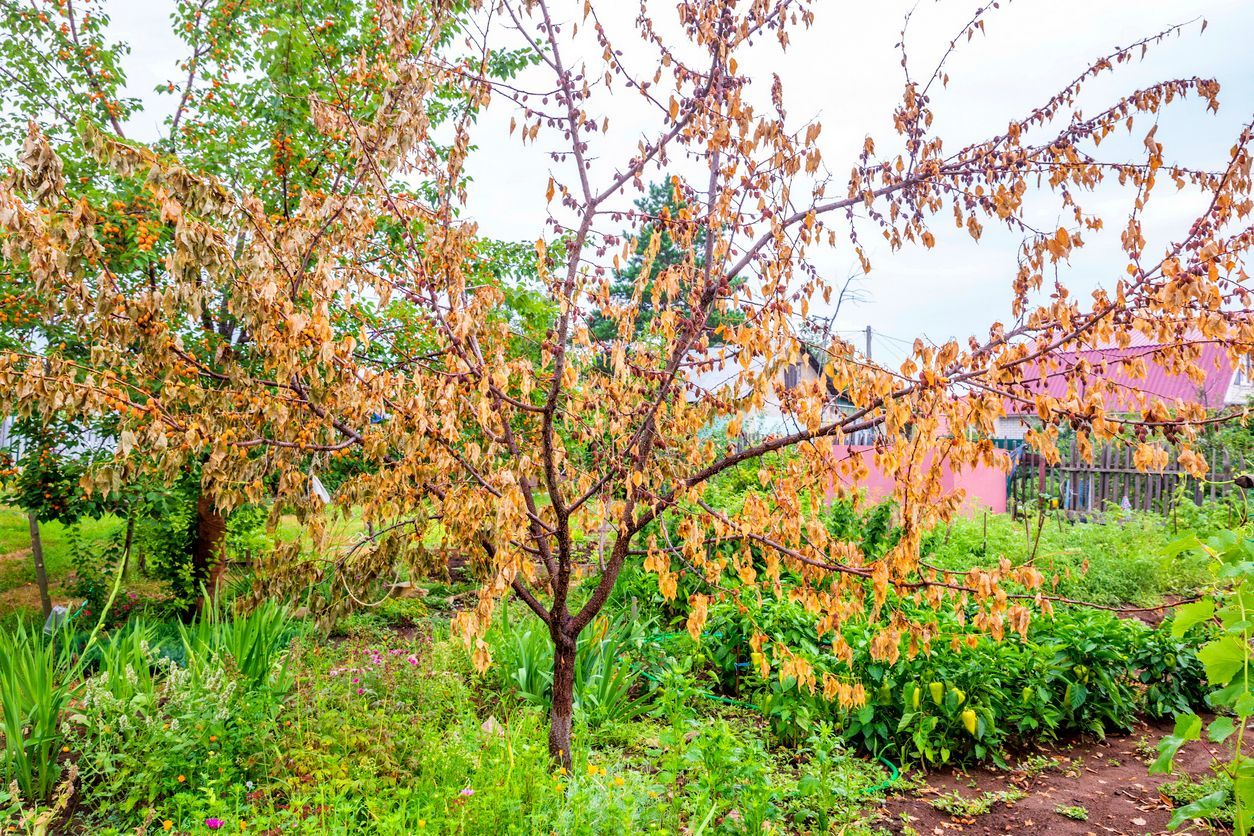
When it is this hot, it causes trees to die. Here are the signs.
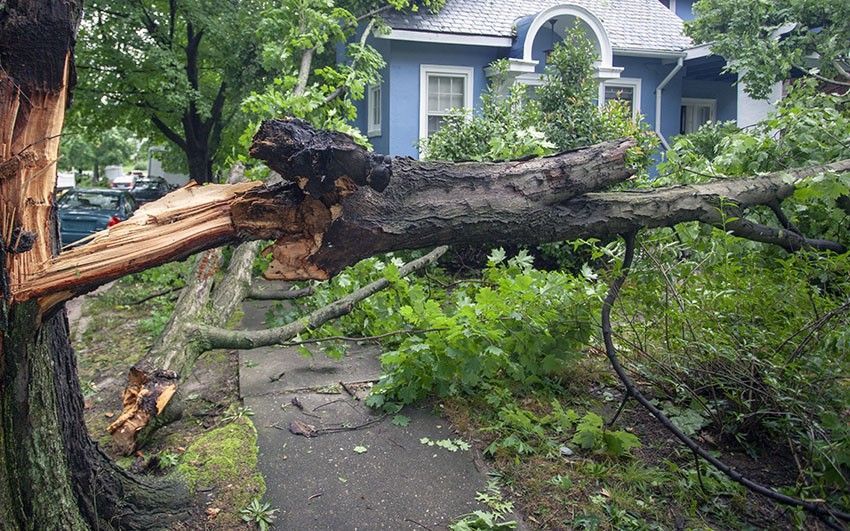
Trees add shade, beauty, and property value to your home. But when a mature tree starts to decline, it quickly turns into a severe weather hazard, threatening your roof, vehicle, or power lines. Spotting the warning signs early gives you the best chance to save the tree or safely remove it before structural damage occurs. Here are 5 red flags that indicate your tree may be dying.
1. Fungi and Mushrooms Around the Base
Fungal growth—specifically shelf-like bracket fungi or mushrooms growing around the trunk base and root flare—is one of the most definitive signs of internal decay. Wood-rotting fungi feed on the structural cellulose inside the trunk. By the time fruiting bodies appear on the outside, significant internal wood rot has likely already weakened the tree's core.
2. Missing Bark and Deep Trunk Cavities
Healthy bark protects a tree from pests, diseases, and extreme weather. If you notice large areas of bark peeling off, crumbling, or missing entirely, the tree is under severe stress.
- Cankers & Cavities: Large cracks, vertical splits, or hollow cavities in the trunk compromise the structural integrity of the tree.
- The Scratch Test: Gently scratch a small twig with a fingernail or pocket knife. Healthy wood underneath will be moist and green. Dry, brown, and brittle wood indicates dead tissue.
3. Off-Season Leaf Loss and Thinning Canopies
A tree’s canopy is a direct reflection of its root health. Watch out for these foliage red flags:
- Early Color Changes: Leaves turning brown, yellow, or dropping months before autumn arrives.
- Thinning Canopy: Bare spots, sparse leaf cover, or branches that remain bare during the growing season.
- Clustered Sucker Growth: Small, weak shoots growing rapidly around the base of the trunk or main limbs (known as epicormic sprouts) mean the tree is desperately trying to compensate for foliage loss above.
4. Root Flare Damage and Soil Heaving
Roots anchor the entire structure of the tree. If the root system fails, the entire tree can uproot without warning.
- Look for cracks or raised soil (heaving) on one side of the tree, which suggests the root plate is pulling out of the ground.
- Watch for severe root damage caused by recent excavation, driveway paving, or trenching near the tree's drip line.
5. A Sudden or Increasing Lean
While many healthy trees grow naturally at a slight angle, a sudden or developing lean is a major emergency. If you notice a tree tilting more than it used to—especially if accompanied by cracked or disturbed soil near the base—it is at immediate risk of falling.
What to Do If You Notice These Signs
Not every sick tree needs to be removed immediately. In some cases, targeted crown thinning, soil aeration, or disease management can restore vitality. However, if structural rot or root failure is present, professional removal is the safest path forward.
Don't wait for a storm to test the strength of a questionable tree.
Need a professional inspection?
Call Brown's Tree Care today at 479-273-0202 to schedule an expert assessment and ensure your property stays safe.