

As the autumn air cools down across Northwest Arkansas and the leaves start changing, most people are thinking about football weekends, bonfire weather, and fall cleanup. But for property owners, October is actually the most critical month of the year to schedule a professional tree safety assessment.
At Brown’s Tree Care, October is one of our busiest months for property walk-throughs and structural tree evaluations. Here is why getting your trees inspected right now—before winter arrives—is the smartest move for your property.
1. Spotting Structural Defects Before the Leaves Are Completely Gone
Autumn provides a unique, limited-time window for evaluating tree health.
While full summer foliage can hide decay, fungi, and structural cracks, October allows arborists to see both the remaining canopy and the underlying branch structure clearly. During an October assessment, we look for:
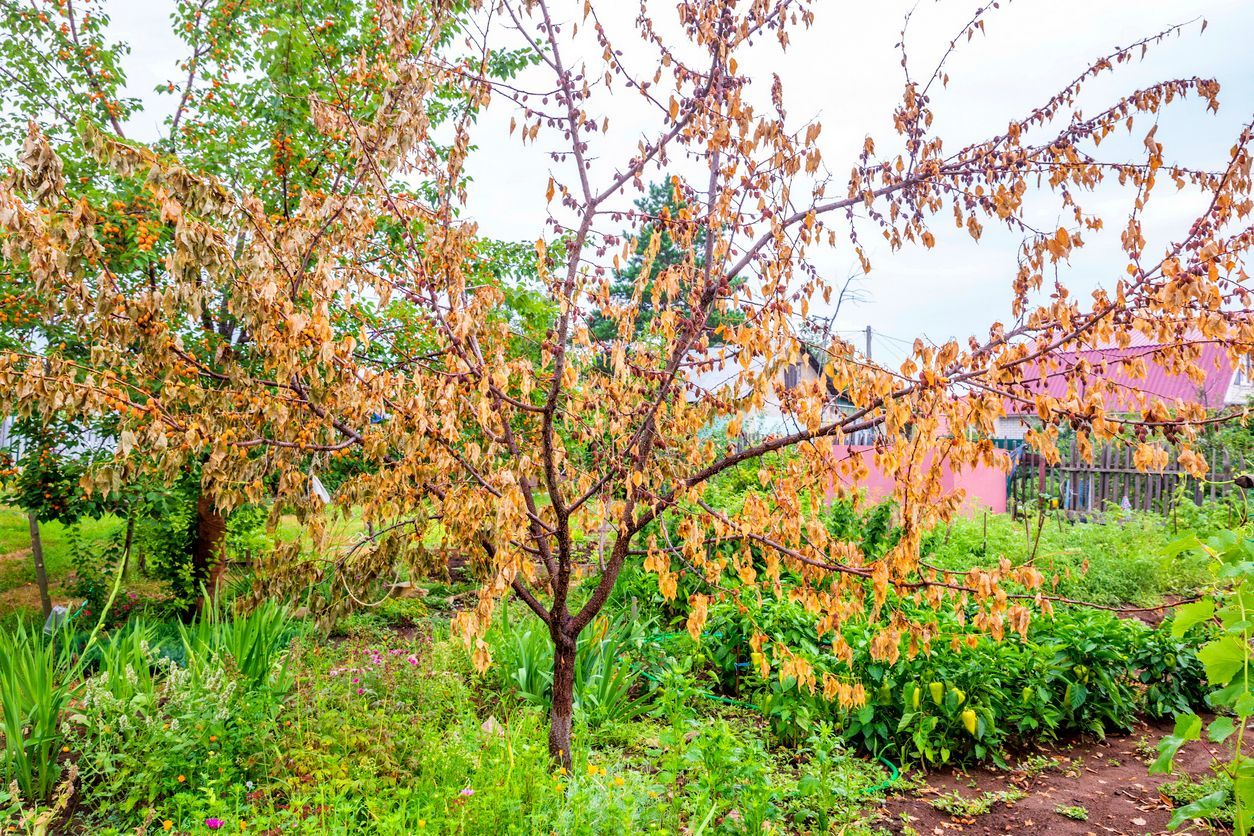
- Deadwood and Decaying Limbs: Identifying weak or dying branches while leaves are changing helps differentiate healthy growth from dead sections that need immediate removal.
- Fungal Growth and Trunk Rot: Autumn is prime time for mushroom growth near root zones and trunks, signaling internal decay.
- Co-Dominant Stems and V-Crotches: Structural weaknesses in multi-trunk trees that make them vulnerable to splitting under heavy load.
2. Prepping for Ice, Sleet, and Heavy Winter Winds
Northwest Arkansas winters are notoriously unpredictable. While heavy snow can cause issues, our biggest regional threat is winter ice storms and heavy, wet freezing rain.
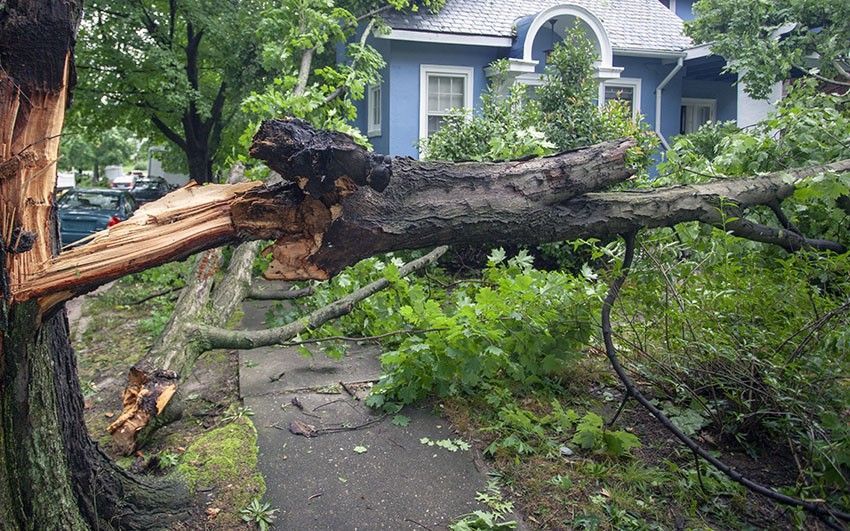
A single layer of ice adds immense weight to tree branches. An October safety assessment identifies heavy overhangs, over-extended limbs, and hazardous branches before the first freeze. Trimming dead or structural hazards in October prevents sudden branch failures that crush roofs, smash vehicles, or bring down power lines in December and January.
3. Protecting Your Home, Power Lines, and Driveways
During high-wind autumn storms and winter freezes, weak branches positioned over structures become major liabilities. An assessment pinpoints specific high-risk zones around your property:
- Roofline Clearances: Removing limbs resting on or hanging directly over shingles prevents roof damage and pest entry.
- Driveways and Parking Areas: Eliminating hazardous limbs over parking zones keeps family vehicles, customer cars, and work trucks safe.
- Utility Line Hazards: Identifying branches encroaching on service lines so they can be safely pruned before winter outages happen.
4. Better Scheduling and Safer Ground Conditions
Waiting until a major winter storm hits usually means dealing with emergency response delays, frozen ground, and hazardous crew conditions.
By taking care of tree hazards in October:
- The Ground Is Dry: Heavy equipment like cranes, skid steers, and grapple trucks can navigate yards with minimal turf disruption compared to muddy winter soil.
- Predictable Scheduling: You get your property serviced on a calm, planned schedule rather than waiting in line during an emergency cleanup rush after a storm.
Protect Your Property Before the First Freeze
Don't wait until a winter ice storm forces your hand. A quick safety assessment this month gives you complete peace of mind heading into the winter season.
Whether you have a large white oak hanging over your roof, hazardous deadwood in a backyard pine, or commercial properties that need risk management, Brown’s Tree Care has you covered.
Ready to secure your property for winter?
Call Brown’s Tree Care today at 479-273-0202 or drop us a message to schedule your October safety assessment before the slots fill up!