
Time to Bid Farewell? Signs Your Tree May Need Removal
April 25, 2024

Time to Bid Farewell? Signs Your Tree May Need Removal
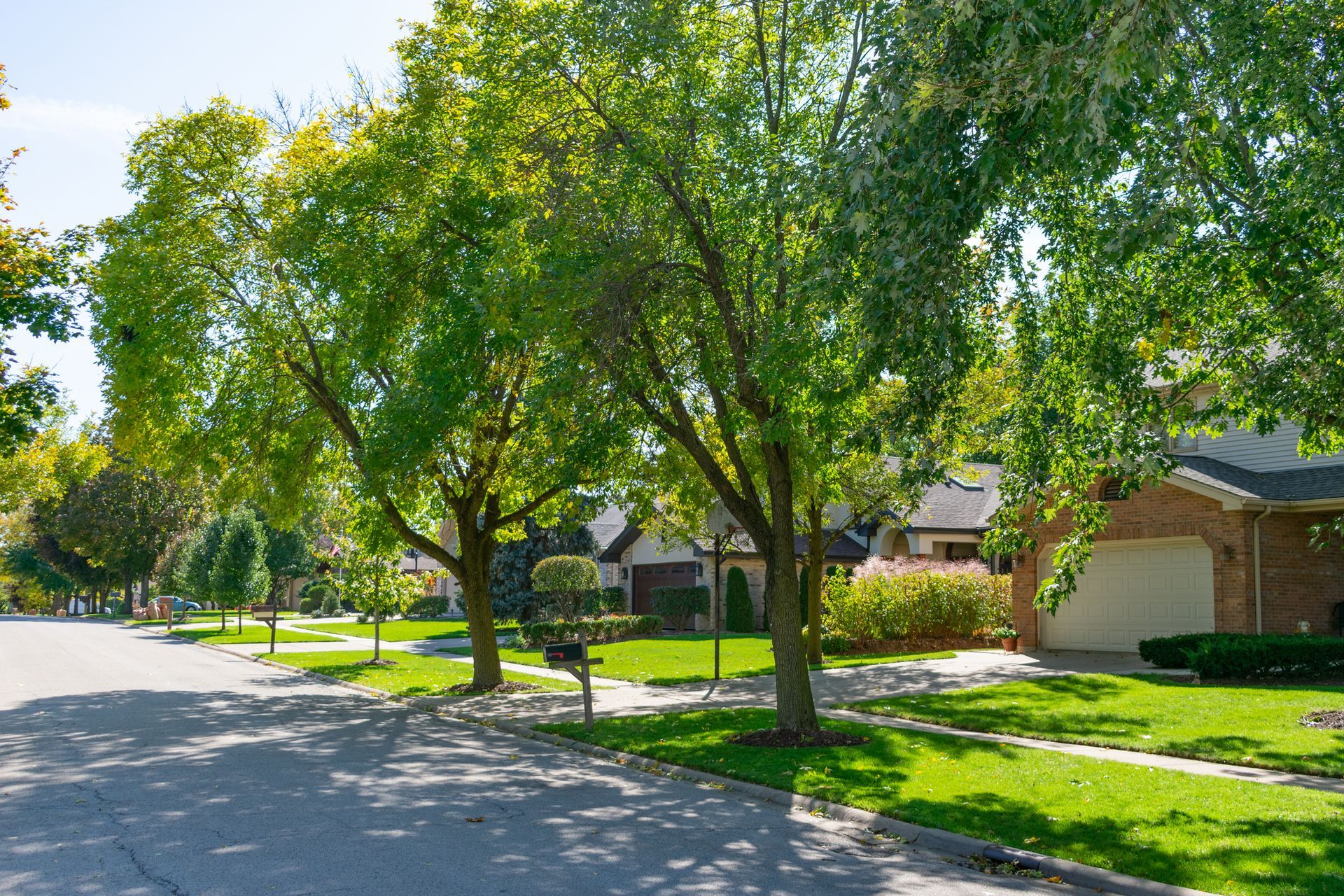
Neighborhood with trees.

Are your trees showing signs of distress? At Brown's Tree Care, we understand the importance of recognizing when it's time to say goodbye to a tree for the safety and beauty of your property. Here's a helpful guide to identify the signs indicating your tree may need removal:


1. Dead or Dying Limbs

  • Look out for dead branches or limbs lacking leaves or showing signs of decay.
  • Dead limbs pose a significant risk during storms and should be addressed promptly.

2. Leaning Tree

  • Excessive leaning may indicate root damage or soil instability.
  • Leaning trees can pose a danger of falling, potentially causing property damage or injury.

3. Pest Infestation

  • Keep an eye out for signs of pest infestation such as holes in the trunk, sawdust-like material, or wilting leaves.
  • Pest-infested trees can suffer irreversible damage and may require removal to prevent further spread.

4. Disease

  • Watch for symptoms of disease such as discoloration, unusual growths, or oozing sap.
  • Diseased trees can spread illness to neighboring trees and should be addressed promptly.

5. Cracks or Splits

  • Visible cracks or splits weaken the tree's structure and increase the risk of falling.
  • Addressing structural issues promptly can prevent accidents and property damage.

6. Overcrowding

  • Trees planted too closely together compete for resources and may struggle to thrive.
  • Removing overcrowded trees can improve the health and aesthetics of your landscape.

7. Root Damage

  • Construction or soil disturbances can damage a tree's root system, leading to decline.
  • Signs of root damage include sparse foliage, premature leaf drop, and exposed roots.

8. Poor Tree Health

  • Trees exhibiting overall poor health, including stunted growth and sparse foliage, may benefit from removal.
  • Removing unhealthy trees can prevent disease spread and enhance the beauty of your landscape.

Recognizing the signs that indicate your tree may need removal is essential for maintaining a safe and attractive property. If you notice any of these signs, contact Brown's Tree Care for a free estimate at 479-273-0202. Our team of experts can assess the situation and recommend the best course of action for your trees. Don't delay—ensure the health and safety of your landscape today!

By Esther Posey • October 15, 2026
As the autumn air cools down across Northwest Arkansas and the leaves start changing, most people are thinking about football weekends, bonfire weather, and fall cleanup. But for property owners, October is actually the most critical month of the year to schedule a professional tree safety assessment. At Brown’s Tree Care , October is one of our busiest months for property walk-throughs and structural tree evaluations. Here is why getting your trees inspected right now—before winter arrives—is the smartest move for your property. 1. Spotting Structural Defects Before the Leaves Are Completely Gone Autumn provides a unique, limited-time window for evaluating tree health. While full summer foliage can hide decay, fungi, and structural cracks, October allows arborists to see both the remaining canopy and the underlying branch structure clearly. During an October assessment, we look for: Deadwood and Decaying Limbs: Identifying weak or dying branches while leaves are changing helps differentiate healthy growth from dead sections that need immediate removal. Fungal Growth and Trunk Rot: Autumn is prime time for mushroom growth near root zones and trunks, signaling internal decay. Co-Dominant Stems and V-Crotches: Structural weaknesses in multi-trunk trees that make them vulnerable to splitting under heavy load. 2. Prepping for Ice, Sleet, and Heavy Winter Winds Northwest Arkansas winters are notoriously unpredictable. While heavy snow can cause issues, our biggest regional threat is winter ice storms and heavy, wet freezing rain. A single layer of ice adds immense weight to tree branches. An October safety assessment identifies heavy overhangs, over-extended limbs, and hazardous branches before the first freeze. Trimming dead or structural hazards in October prevents sudden branch failures that crush roofs, smash vehicles, or bring down power lines in December and January. 3. Protecting Your Home, Power Lines, and Driveways During high-wind autumn storms and winter freezes, weak branches positioned over structures become major liabilities. An assessment pinpoints specific high-risk zones around your property: Roofline Clearances: Removing limbs resting on or hanging directly over shingles prevents roof damage and pest entry. Driveways and Parking Areas: Eliminating hazardous limbs over parking zones keeps family vehicles, customer cars, and work trucks safe. Utility Line Hazards: Identifying branches encroaching on service lines so they can be safely pruned before winter outages happen. 4. Better Scheduling and Safer Ground Conditions Waiting until a major winter storm hits usually means dealing with emergency response delays, frozen ground, and hazardous crew conditions. By taking care of tree hazards in October: The Ground Is Dry: Heavy equipment like cranes, skid steers, and grapple trucks can navigate yards with minimal turf disruption compared to muddy winter soil. Predictable Scheduling: You get your property serviced on a calm, planned schedule rather than waiting in line during an emergency cleanup rush after a storm. Protect Your Property Before the First Freeze Don't wait until a winter ice storm forces your hand. A quick safety assessment this month gives you complete peace of mind heading into the winter season. Whether you have a large white oak hanging over your roof, hazardous deadwood in a backyard pine, or commercial properties that need risk management, Brown’s Tree Care has you covered. Ready to secure your property for winter? Call Brown’s Tree Care today at 479-273-0202 or drop us a message to schedule your October safety assessment before the slots fill up!
September 17, 2026
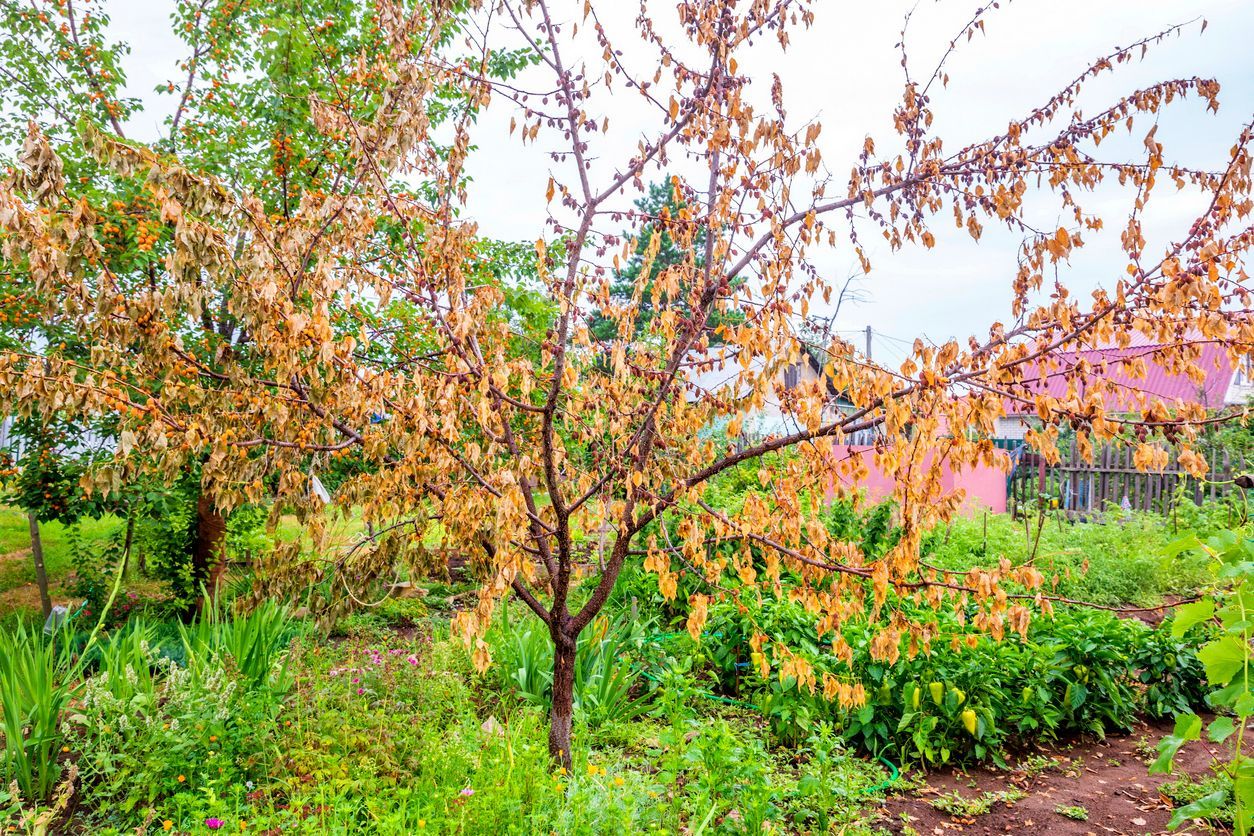
5 Warning Signs Your Tree Is Dying (And What to Do Next)